Investigation of the higher order Raman Spectra from experimental and theoretical perspectives
Z.Azdad Möri
The author independently carried out all calculations, measurements, and data interpretations presented in this work
Higher-order Raman scattering processes are inherently challenging to investigate due to the significant
reduction in
scattering cross-sections compared to first-order Raman scattering. This reduction leads to weaker signal
intensities,
making experimental detection and analysis considerably more difficult.
To date, the existing literature on higher-order Raman scattering in gallium phosphide (GaP) is limited
exclusively to
its zinc blende (ZB) crystalline phase. In contrast, the wurtzite (WZ) phase of GaP is metastable and
typically occurs
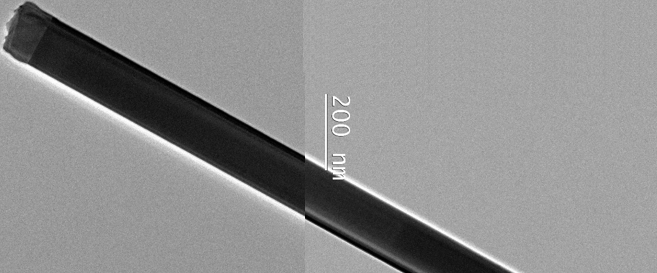
only in nanostructured forms such as nanowires. Mapping higher-order Raman processes in these
low-dimensional systems
presents additional challenges, stemming from size effects, surface states, and reduced signal strength.
Nonetheless, recent advances in resonant Raman techniques have enabled enhanced detection of higher-order
phonon modes
in such nanostructures. In particular, exploiting surface-phonon-polariton (SPhP) resonances provides a
powerful,
non-invasive approach to amplify Raman signals without perturbing the intrinsic vibrational properties of
the material—a
common drawback when using plasmonic resonances, which can strongly modify the local electromagnetic
environment and
alter the phonon dynamics. The use of SPhP-enhanced Raman scattering thus offers a promising pathway for
comprehensive
characterization of higher-order vibrational modes in WZ-GaP nanowires and similar polar semiconductor
nanostructures.
Although surface-phonon-polariton (SPhP) resonances are not discussed in detail in this section (see Project
section),
the signal enhancement techniques employed here enabled high-resolution mapping of the second-order Raman
spectrum. This
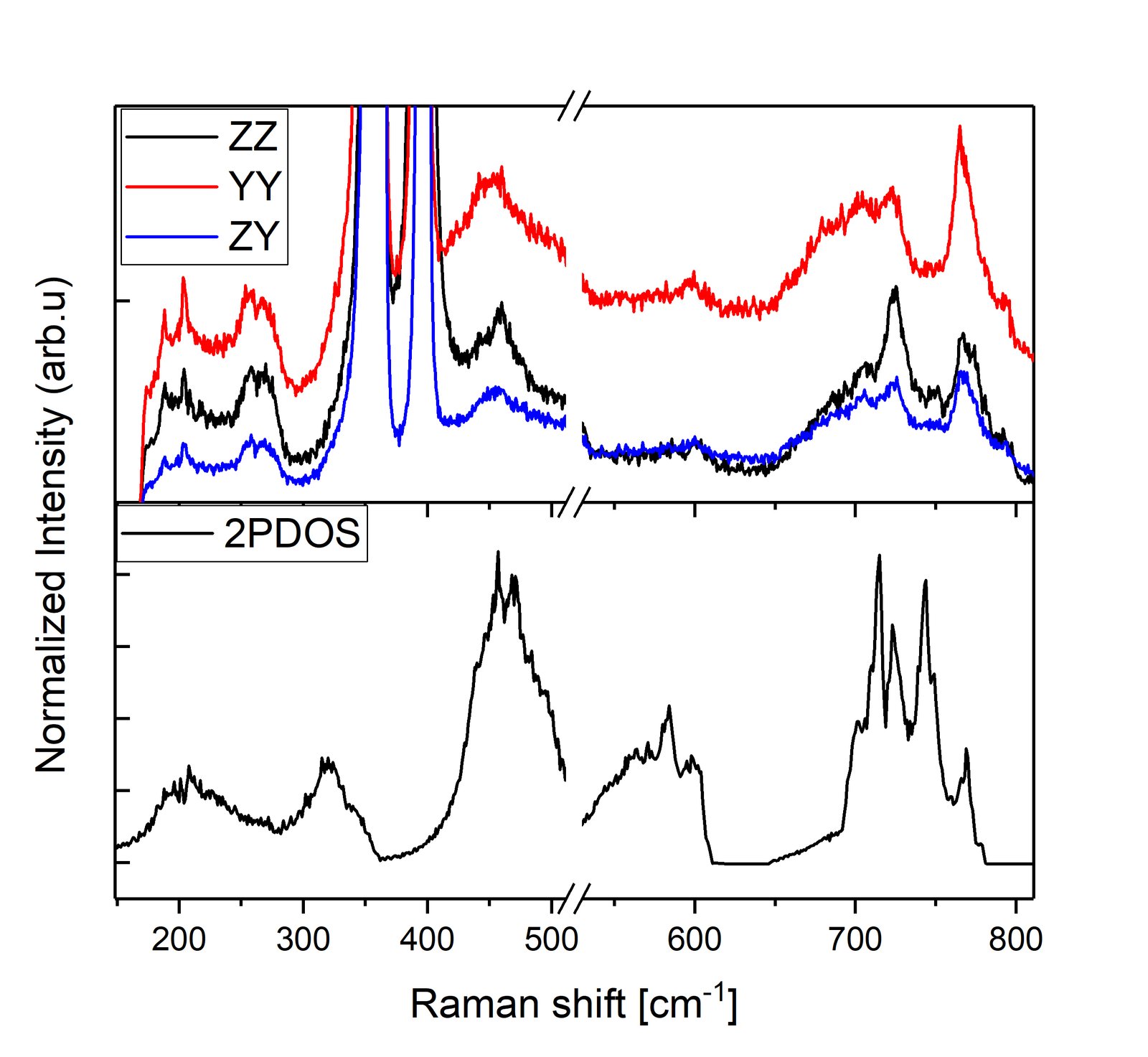
detailed spectral information allowed for direct comparison with the two-phonon density of states (2PDOS)
calculated
using ab initio methods within the Quantum ESPRESSO framework.
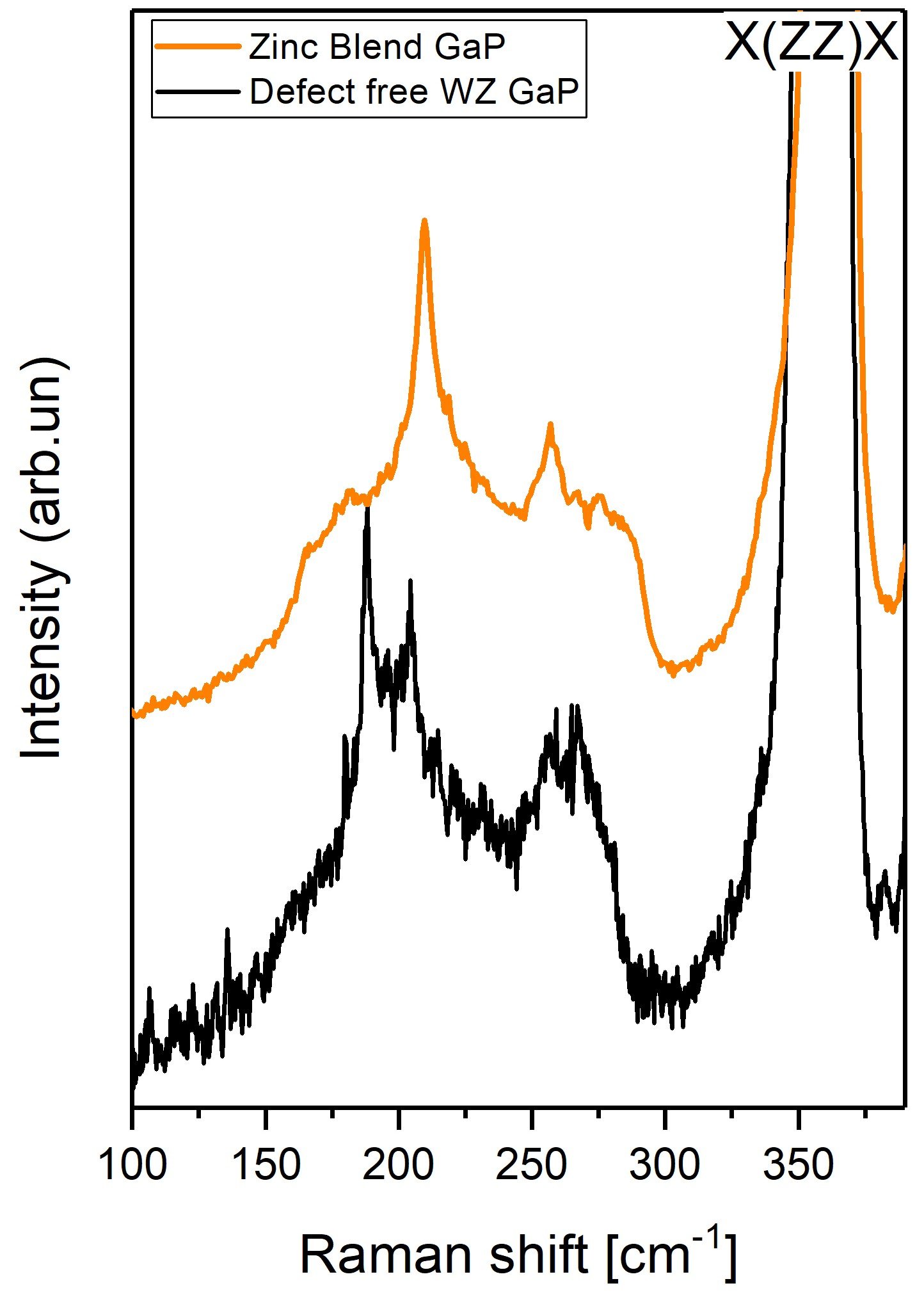
We begin by examining the higher-order Raman spectra using a 514nm wavelength laser as an excitation source
to probe the bulk GaP in its zinc blende (ZB) structure and
comparing the
observed features with those reported in the existing literature.
Following this, we present the calculated phonon
dispersion relations along the high-symmetry directions of the Brillouin zone. Finally, we perform a
detailed comparison
between the experimental Raman features and the theoretical predictions to establish correlations with
specific phonon
modes and their combinations.
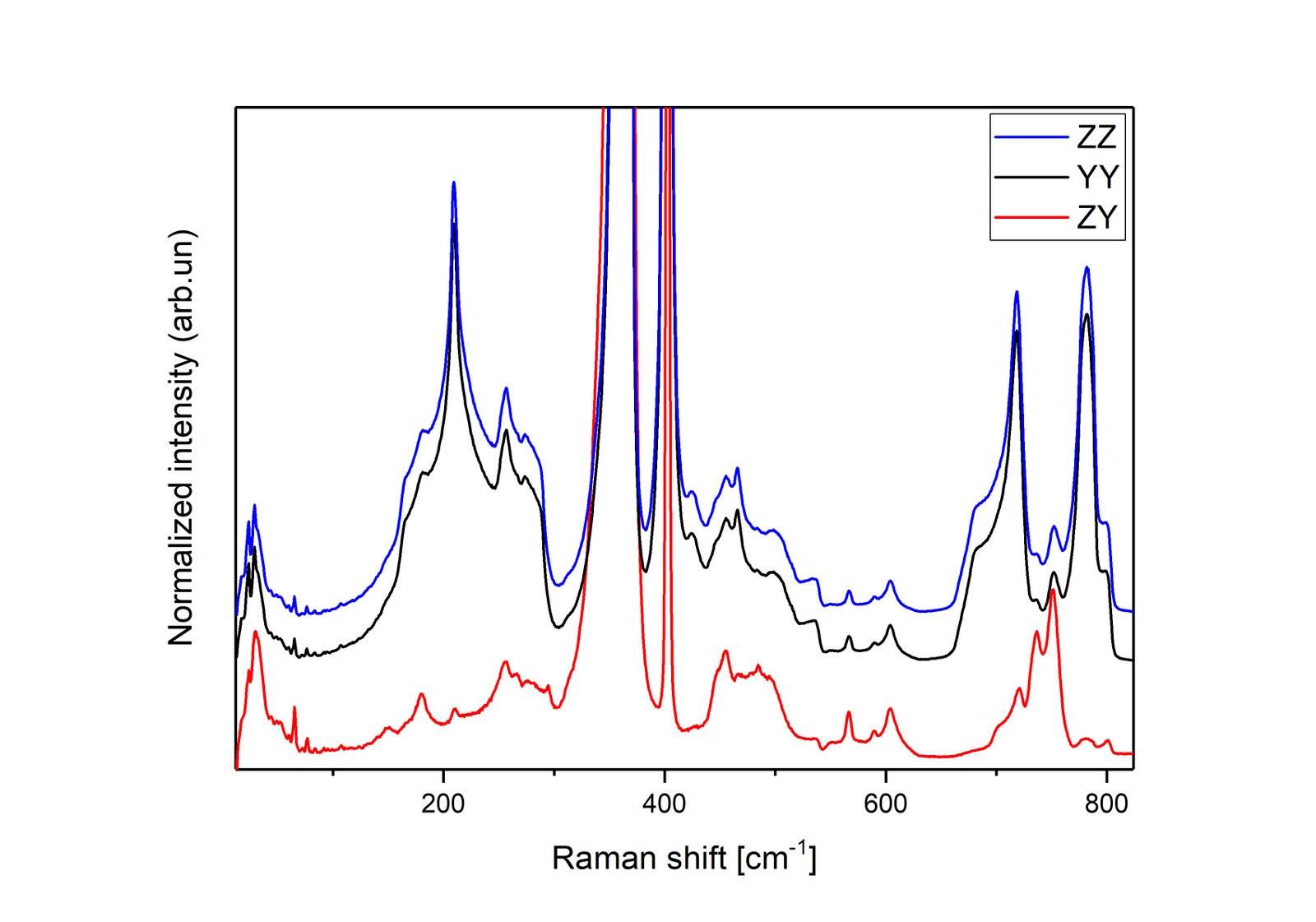
The obtained spectra under the three main polarization. The Spectra display high spectral resolution with
very distinguished features
Such calculation results in the following graph:
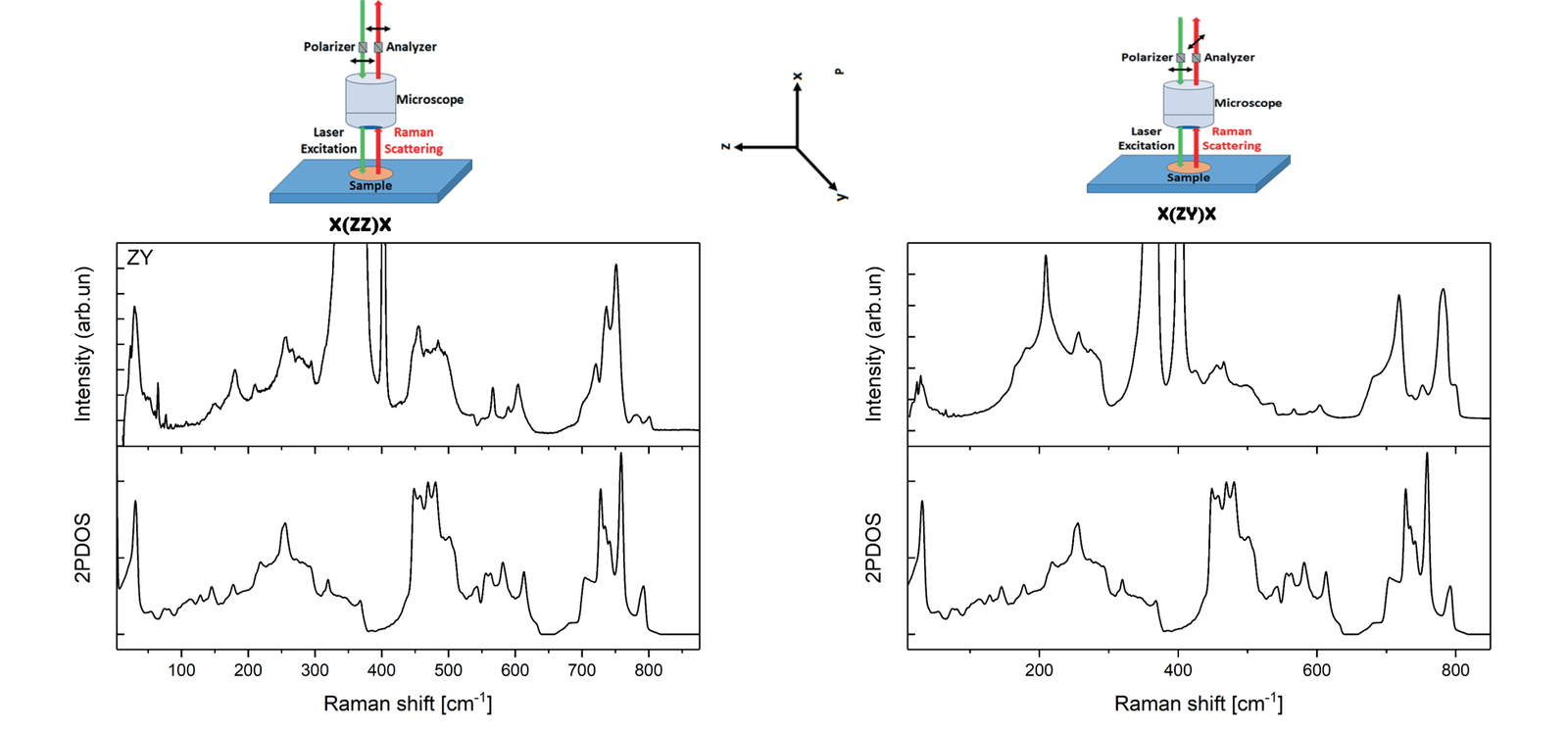
With the establishment of a robust methodology, the first measurement of higher-order Raman spectroscopy in wurtzite gallium phosphide (GaP) is demonstrated. The study begins with a comparison between the Raman spectra of the zinc blende and wurtzite phases. Subsequently, the phonon dispersion of wurtzite GaP is calculated, followed by the computation of the two-phonon density of states, in line with the previously established approach.
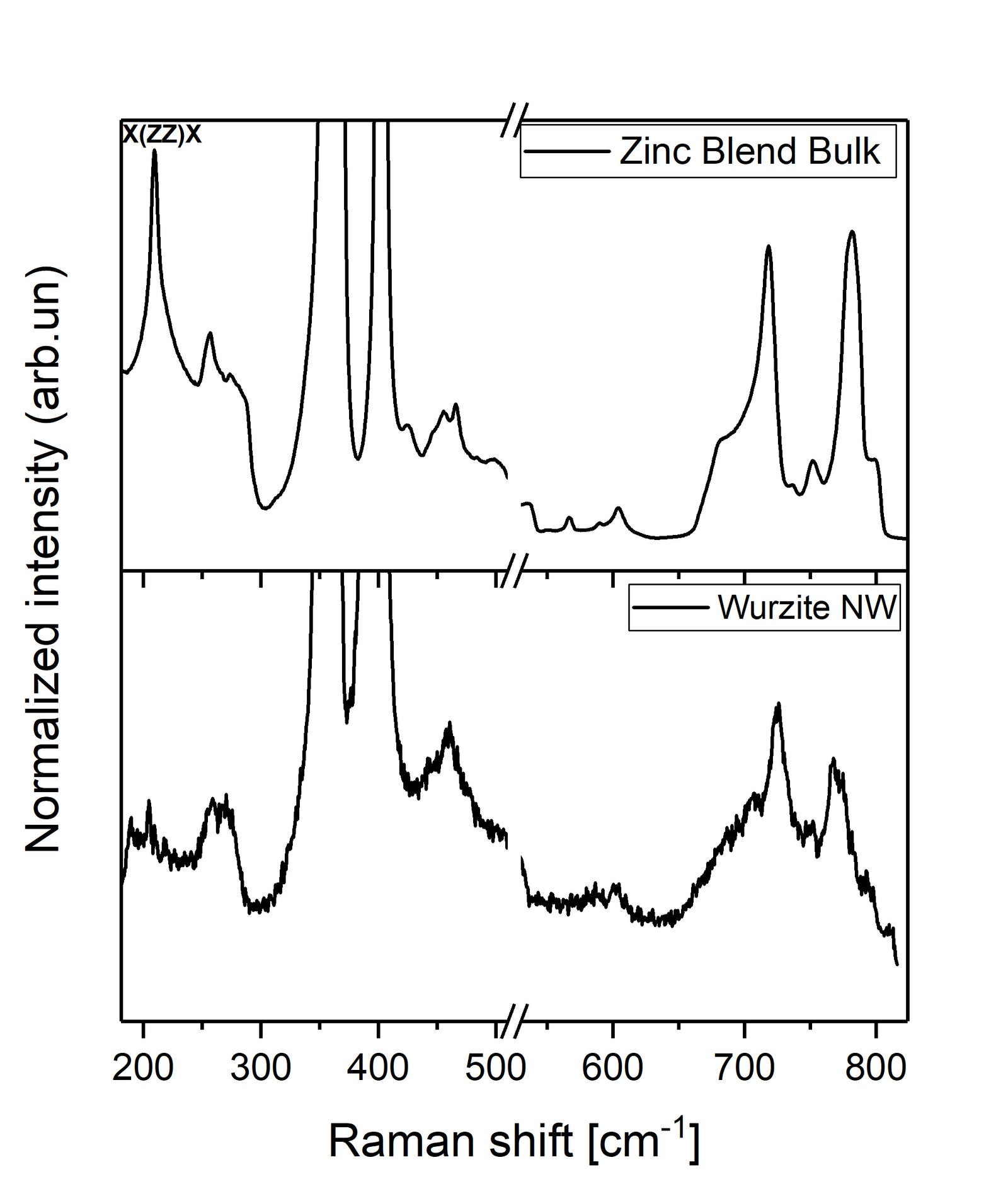
This enhancement suggests:
- Increased contribution from acoustic phonons, either as overtones or in mixed modes (e.g. TA+LA).
-
Relaxation of selection rules due to:
- Finite-size effects in nanowires.
- Differences in phonon dispersion for the wurtzite phase, which may lead to new or shifted low-energy modes.
These modes likely involve zone-boundary acoustic phonons becoming partially Raman-active due to broken translational symmetry.
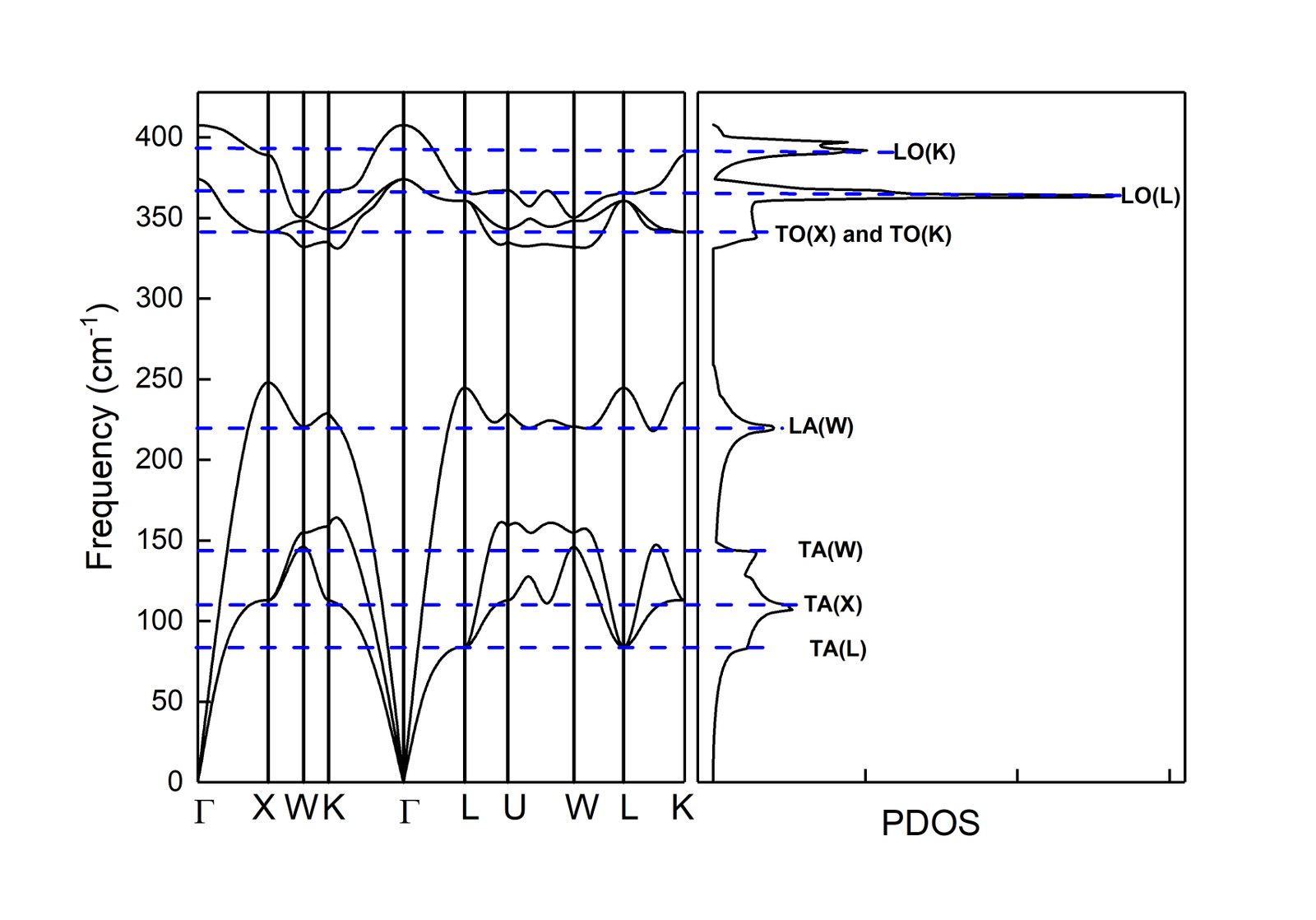
In order to verify the above claims we first calculate the phonon dispersion and it's projected phonon density of state (PDOS). The result is displayed below:

← Back to Portfolio